

































Libertarianism and Feminism: A Complex Relationship
Explore the complex relationship between libertarianism and feminism in this comprehensive article. Discover how both movements advocate for individual liberty and gender equality, while also examining their differences in approach to government intervention and personal responsibility.
Introduction
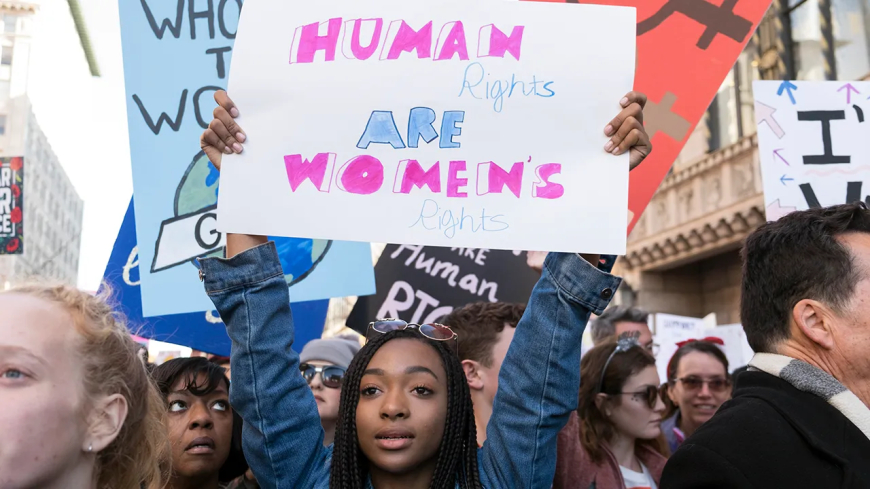
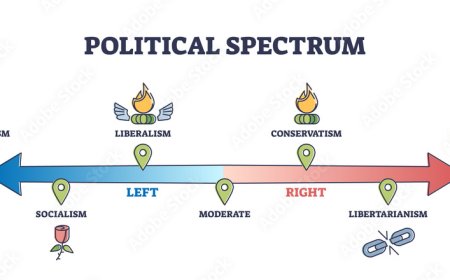
Libertarianism is a political philosophy that champions individual liberty, personal responsibility, and minimal government intervention in the lives of citizens. While its core principles advocate for equality and freedom, the relationship between libertarianism and feminism is nuanced and multifaceted. This article explores the libertarian perspective on feminism, examining the shared values, critiques, and potential alignments between the two movements.
Fundamental Libertarian Principles
At its core, libertarianism emphasizes the following principles:
- Individual Liberty: Every person has the right to make choices about their own life, as long as they do not infringe upon the rights of others.
- Self-Ownership: Individuals own themselves, which includes their bodies, labor, and choices.
- Free Markets: A free market system is essential for promoting innovation, competition, and overall prosperity, which can create opportunities for all individuals, including women.
These principles lay the groundwork for understanding how libertarians view issues related to gender equality and feminism.
Feminism: A Diverse Movement
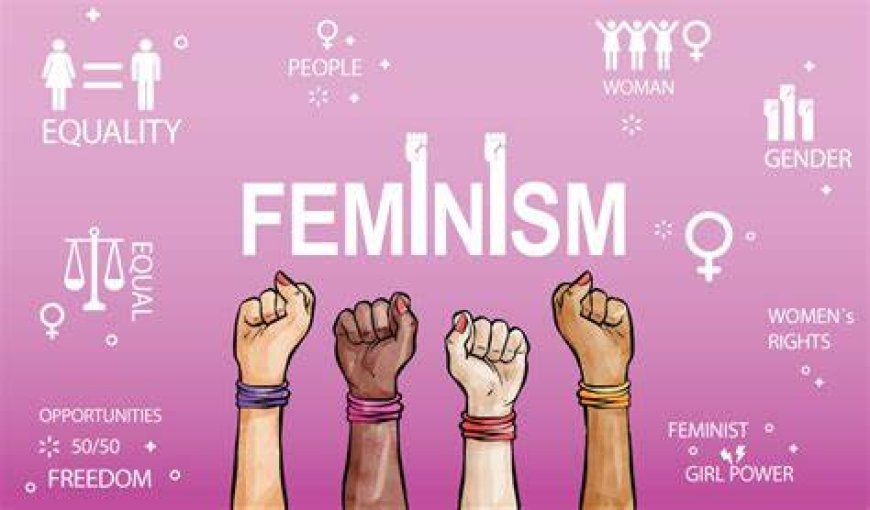
Feminism is not a singular ideology but rather a diverse movement with various branches and beliefs. At its essence, feminism seeks to achieve equality between the genders, challenging systemic discrimination and advocating for women's rights in various spheres, including social, political, and economic contexts. Some key feminist goals include:
- Reproductive Rights: Ensuring women have control over their bodies and reproductive choices.
- Economic Equality: Addressing wage gaps and promoting equal opportunities in the workplace.
- Combatting Gender-Based Violence: Raising awareness and creating systems to protect women from violence and harassment.
Points of Convergence
1. Individualism and Gender Equality
Libertarians generally support the idea of individual rights, which aligns with the feminist goal of gender equality. Both movements argue that individuals, regardless of gender, should have equal rights to pursue their aspirations without facing discrimination. The libertarian emphasis on personal liberty resonates with feminist calls for women to have the autonomy to make choices about their lives.
2. Critique of Government Intervention
Libertarians often critique government policies designed to promote gender equality, such as affirmative action or gender quotas. They argue that these interventions can create more harm than good, leading to unintended consequences and perpetuating a victim mentality. Libertarians believe that individuals should compete based on merit, rather than being subject to government-mandated measures that could infringe upon personal freedoms.
3. Market Solutions
Libertarians assert that free markets provide the best solutions to issues of gender inequality. They argue that competition encourages businesses to treat employees fairly, as companies that promote equality are more likely to attract and retain talent. For instance, firms that prioritize diversity and inclusion can outperform their competitors, benefiting from a more diverse workforce.
Points of Divergence
While there are points of convergence between libertarianism and feminism, notable differences exist:
1. Personal Responsibility
Libertarians emphasize personal responsibility and accountability, which can sometimes lead to a critique of systemic issues facing women. Some libertarians may argue that individuals must take charge of their choices and outcomes, suggesting that systemic discrimination is overstated. This viewpoint can clash with feminist perspectives that highlight the impact of structural inequalities on women's lives.
2. Varied Feminist Perspectives
Not all feminists align with libertarian ideals. Some branches of feminism advocate for significant government intervention to address inequalities, such as universal childcare or healthcare, which libertarians may oppose. Additionally, libertarians may criticize certain aspects of contemporary feminism that they perceive as infringing upon free speech or individual liberties.
Conclusion
The relationship between libertarianism and feminism is complex, marked by shared values of individual liberty and equality, but also by significant differences in approach. While libertarians champion personal freedom and self-ownership, feminists often highlight systemic inequalities that require targeted interventions. Both movements, however, seek a society where individuals are free to pursue their goals, unfettered by discrimination based on gender.
Ultimately, the dialogue between libertarianism and feminism continues to evolve, as both movements grapple with the pressing issues of our time. By understanding and respecting each other's perspectives, there is potential for collaboration in the pursuit of a more equitable and just society.
What's Your Reaction?