

























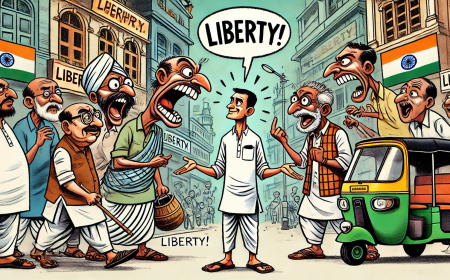


Why India’s Public Toilets Are Missing (And How Libertarians Would Fix This Problem)
India still struggles with providing clean and accessible public toilets, despite government promises like the Swachh Bharat Abhiyan. Poorly maintained facilities and lack of availability create significant public health challenges. A libertarian solution would involve local accountability, where private businesses and entrepreneurs take charge, offering clean, efficient toilets. This would improve hygiene, reduce inefficiencies, and allow the free market to provide innovative, community-driven solutions. Learn how a shift to a market-driven approach could solve India's sanitation crisis and create cleaner, more reliable public toilets across the country.

In a country full of tech giants, billionaires, and rocket scientists, there’s still one issue India has yet to get right: public toilets. It’s hard to believe, but it’s true. In 2024, millions of Indians still struggle to find basic sanitation facilities, especially when out on the streets.
The Unsolvable Problem: Where Are All the Public Toilets in India?
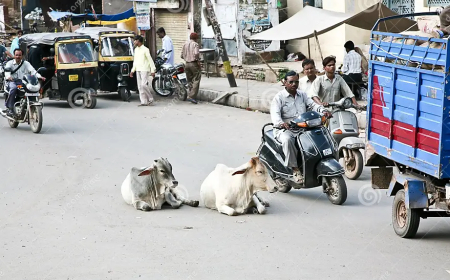
You’re walking around bustling Indian streets – Delhi, Bangalore, Mumbai – and you suddenly realize the urgent need for a public toilet. But where do you turn? There’s nothing in sight. You might find a restaurant or a mall, but you’ll probably have to spend money you don’t want to. Finding a public toilet in India has become a kind of urban legend. It’s like a mythical quest.
And even if you do find one, the condition might make you wish you hadn’t bothered. We’ve all seen the dirty, poorly maintained public toilets with broken doors, faulty plumbing, and zero privacy. Why does it have to be this way?
Government’s Failed Promise: The Swachh Bharat Abhiyan and Public Toilets
The Swachh Bharat Abhiyan promised clean India, but the reality is far from the dream. Public toilets are nowhere to be found in many areas, and even when they are available, they’re often unclean, unsafe, and unpleasant. It’s like the government has forgotten that clean, accessible public toilets are a fundamental human need.
But here’s the kicker: it’s not the idea that’s flawed; it’s the execution. The government's approach to public infrastructure is riddled with inefficiencies, delays, and a lack of local accountability. Bureaucratic red tape means it can take years to build a public toilet in one locality while neighboring streets remain ignored.
How Libertarians Would Fix the Public Toilet Problem in India
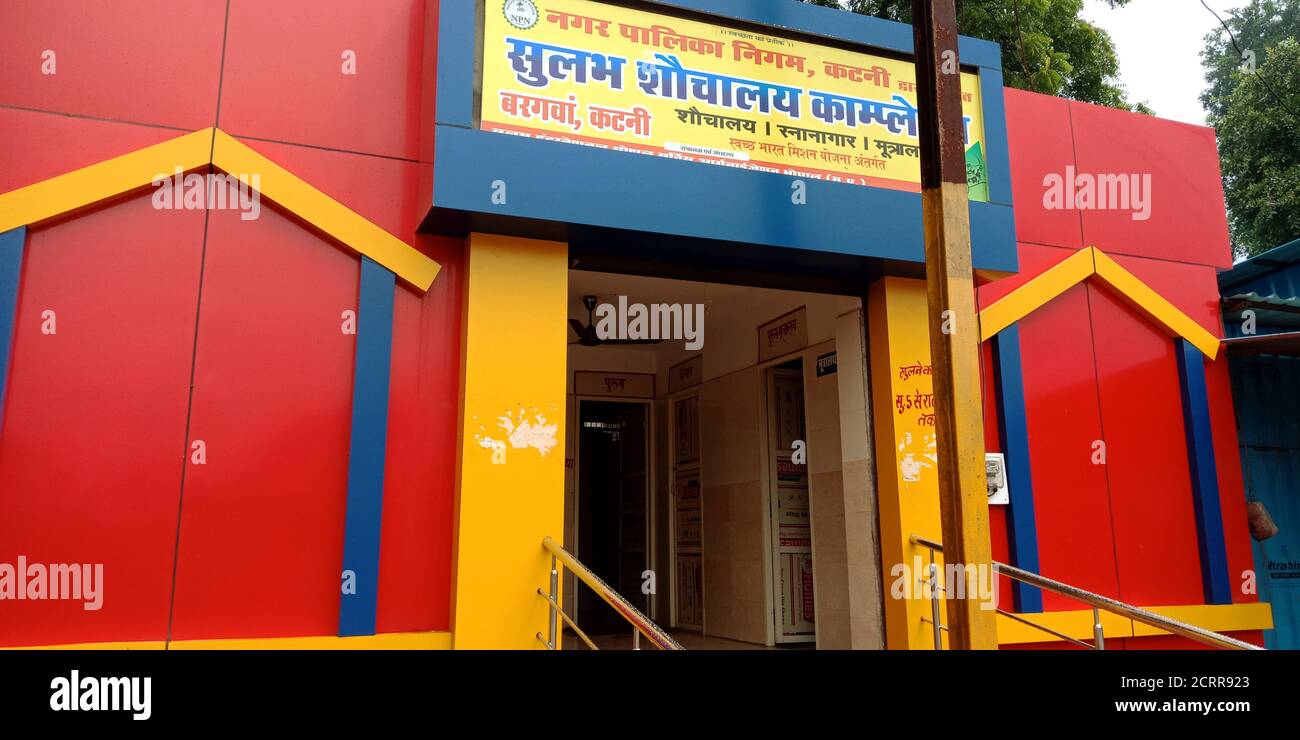
Imagine a system where local businesses, not the government, manage public toilets. No more waiting for distant bureaucrats to take action. Instead, businesses and community groups step up to provide clean, functional restrooms.
Here’s how a libertarian solution would work:
-
Local Accountability: Businesses and local communities would be motivated to maintain clean, safe toilets because they’d be the ones benefiting from the foot traffic. This would encourage better upkeep and responsiveness to users' needs.
-
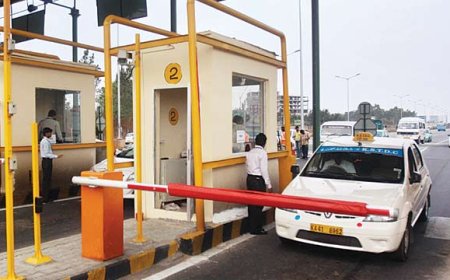
Private Solutions: Instead of relying on government funding, entrepreneurs could open well-maintained public toilets for a small fee. The competition would ensure quality services at affordable prices, making it a win-win for everyone.
-
No Bureaucratic Roadblocks: By eliminating the government's role in public toilet infrastructure, local markets and innovation would fill the void, offering quick and efficient solutions. No more waiting for years to see results.
Why the Free Market Can Solve Sanitation Issues Better Than the Government

The government’s approach to public toilets often leads to poor quality, lack of cleanliness, and a waste of public funds. A market-driven system, on the other hand, would provide better services through competition. Businesses would have a vested interest in providing clean, accessible restrooms to attract customers. Moreover, a libertarian approach means fewer taxes spent on inefficient public works and more freedom for individuals to solve their own problems.
In fact, private ownership and responsibility in the sanitation sector would lead to quicker fixes, more variety, and more personalized services. Whether it’s a modern, tech-enabled toilet or a simple but clean option at a local store, the possibilities are endless when entrepreneurs are free to innovate.
The Takeaway: Freedom Means Better Services for All
The sad truth is that India’s public toilets often don’t meet the basic standards of hygiene and accessibility. But instead of waiting for government agencies to “solve” the problem, we could see solutions emerge from the free market, which is better suited to respond quickly and efficiently to public needs. Whether it’s a local vendor or an innovative startup, the free market has a proven track record of solving problems that the government can’t or won’t.
TL;DR: India’s public toilets are still a mess, but it’s not the government’s job to fix it. By embracing local accountability and letting the market take charge, we can ensure that every Indian has access to clean, safe, and easily accessible restrooms. Let’s leave the mess behind and embrace freedom – it’s the best solution for India’s sanitation crisis.34
What's Your Reaction?